




Contract Sewing
Contract sewing contractor in Yuma, Arizona, for buyer-defined technical soft goods, sample review, construction revisions, and U.S.-based manufacturing.
Explore contract sewingFort Yuma Defense Co. is a military sewing contractor in Yuma, Arizona, supporting tactical and technical sewn products. We work with contractors, agencies, brands, and product developers from prototype review through small-batch production. Our 100% Native-owned operation is the defense and technical-sewing expansion of Prowear Uniforms & Tactical.
Patterns. Prototypes. Production. / Yuma, AZ
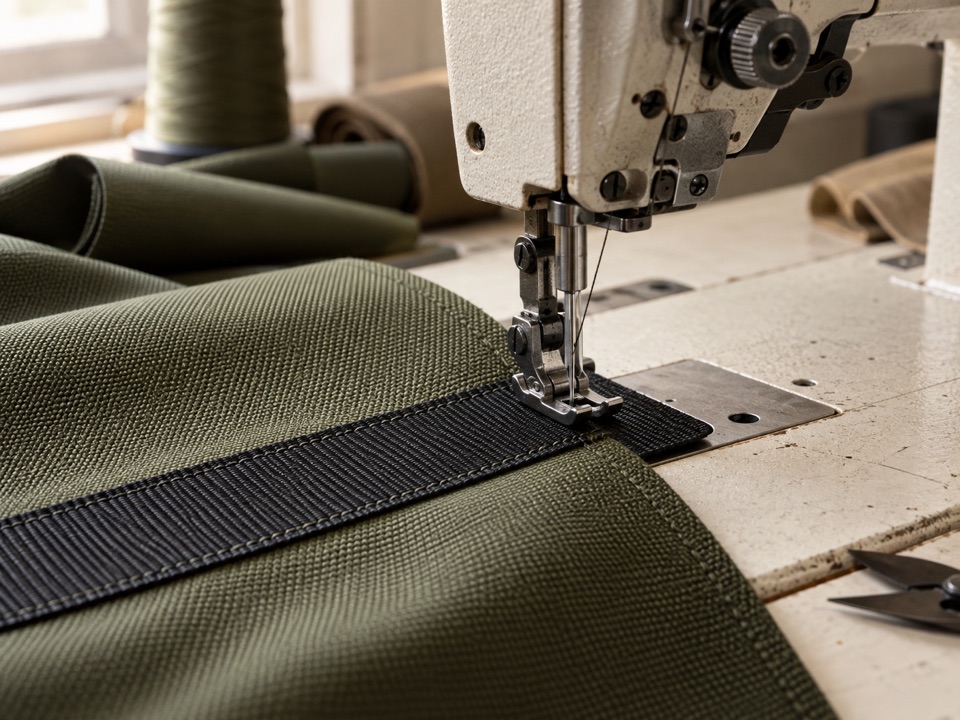
Explore fabrics, components, and equipment for your custom build.
Our material experience includes 500D and 1000D CORDURA® fabric, nylon, webbing, and marine vinyl. Define your project with authentic MultiCam® materials, YKK® zipper systems, specified hook and loop closures, molded hardware, and bonded thread where required.
Fabric weight, webbing width, closure size, reinforcement, and edge binding work together in the finished assembly. Include your preferred brands, bill of materials, and domestic sourcing requirements when requesting a quote.
Contract sewing contractor in Yuma, Arizona, for buyer-defined technical soft goods, sample review, construction revisions, and U.S.-based manufacturing.
Explore contract sewingTactical gear manufacturer supporting custom pouches, carriers, bags, webbing assemblies, prototypes, and contract production in the United States.
Explore tactical gear manufacturingSewn product prototyping for tactical and technical gear, including sample review, pattern development, fit testing, and production preparation.
Explore sewn product prototypingCustom bag and pouch manufacturer for tactical, law-enforcement, equipment, medical, range, and mission-specific applications.
Explore custom bag and pouch manufacturingCustom manufacturing capabilities. Each product’s construction, fit, and acceptance requirements are reviewed for the individual project.
Defined work packages and supplier review.
Agency-specific equipment and fit.
Technical soft goods and sewn interiors.
Product development and initial runs.
Custom equipment requirements.
Define the item, application, and questions to resolve.
Review textiles, hardware, and the assembly approach.
Build and evaluate a sample against the agreed needs.
Resolve changes and establish a manufacturing reference.
Agree the run, acceptance checks, and required records.
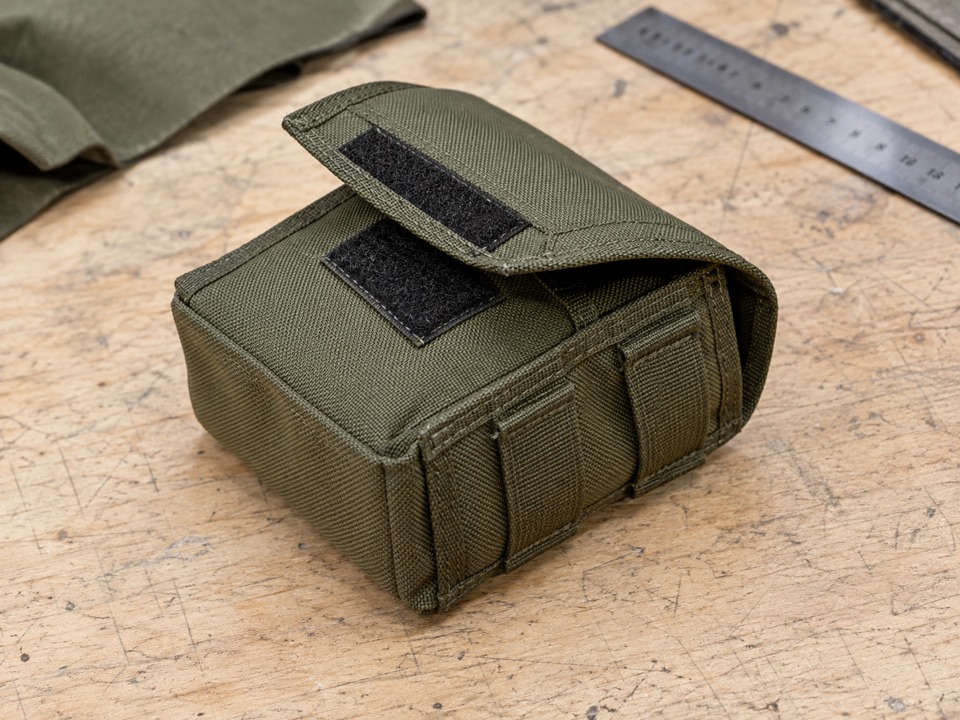
Flap closures, bound edges, and reinforced webbing loops shape how a pouch carries and secures equipment. Specify the item dimensions, access needs, and attachment spacing.
Sewn Product Prototyping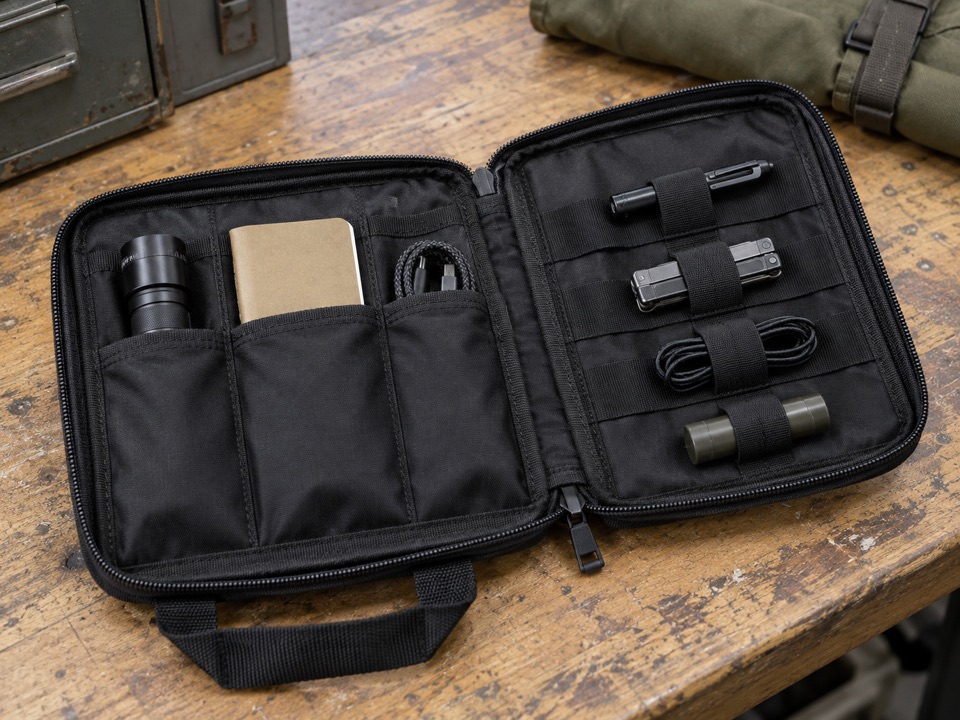
Divider pockets and elastic loops keep small equipment organized. Define the contents, pocket sizes, closure, and carry method for your application.
Custom Bag and Pouch Manufacturing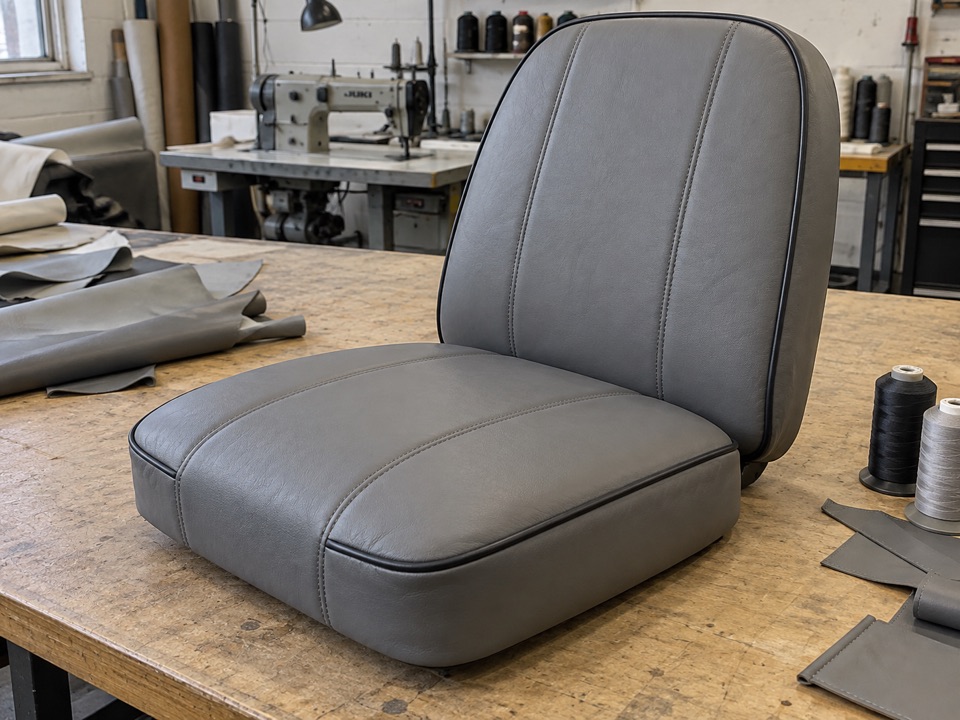
Shaped panels, topstitching, and piping define the fit and finish of sewn upholstery. Provide the seat dimensions, material requirements, and installation details.
Heavy-Duty Industrial Sewing
Fort Yuma Defense Co. expands the technical-sewing work of Prowear Uniforms & Tactical. Our workshop brings pattern work, prototype construction, and heavy-duty material experience into one shop.
Prime contractors and other buyers can discuss subcontract sewing, prototyping, and small-batch requirements. Send the supplier qualifications, materials, inspection criteria, and documentation your project requires.
Project-specific domestic sourcing requirements can be reviewed during quoting. Production quantities and scheduling depend on the agreed scope.
Start with the product description, design stage, dimensions, quantity, materials, and requested timing. Identify any required supplier documentation.
Yes, concept and sample review can begin a prototype discussion. Pattern work, fit testing, and construction revisions are current capabilities.
Contact us to discuss production quantities and scheduling. A practical run depends on the design, materials, and available shop capacity.
Include the exact requirement in the RFQ for project-specific review. Include the material sources and records your project requires.
A drawing, sample, or written concept helps us understand the product. Include dimensions, materials, and the features you want to evaluate.
Share the product, project stage, quantity, and construction requirements.
We use optional analytics cookies to understand how visitors find and use our site. We do not sell your information. Cookie Policy